




Making Semtech Iot Networks Work, Anywhere They’re Needed

INS + SemTech

We Build Networks Where the Wire Runs Out.

Utility substations and oil & gas wellheads aren’t always practical to reach with fiber. INS engineers, deploys, and supports the cellular networks that connect them instead.

INS + SemTech

We Build Networks Where the Wire Runs Out.

Utility substations and oil & gas wellheads aren’t always practical to reach with fiber. INS engineers, deploys, and supports the cellular networks that connect them instead.

Utility

Substations, reclosers, and DMS-connected devices sit miles from the nearest fiber drop — and grid-modernization timelines can’t stall until one arrives. INS builds the cellular connectivity that reaches them anyway.

See how one utility replaced an aging radio network →

Oil & Gas

Remote wellheads, pipeline runs, and midstream facilities operate in hazardous conditions where every hour of downtime is measured in lost production, not just lost data. INS designs OT connectivity built for the environment it actually has to survive.

See how one operator built a pipeline network from scratch →

Buying a Router Isn’t the Same as Designing a Network

Cellular connectivity looks simple from the outside: pick a device, get a SIM, and you’re done. In practice, certain factors add complications: hazardous-location ratings, RF interference from existing plant equipment, SCADA polling and control requirements, and hardware that has to run unattended for a decade. Treating your network like a design problem instead of a hardware problem helps you get connectivity right before equipment ever ships.


How INS Helps You Build Your Network

Every INS deployment follows the same four steps.

1. Discover

We run a site survey and RF assessment before specifying anything, so the design starts from the environment you actually have.

2. Design

We build a bill of materials matched to your infrastructure, your requirements, and your existing systems.

3. Develop

We provision and kit equipment before it ships, so what arrives on site is ready to install.

4. Deploy

We provide training and lifecycle support after deployment.

The Platform Behind the Network: Semtech® Airlink®

Semtech’s (formerly Sierra Wireless) AirLink® line is purpose-built for remote and industrial connectivity applications — 5G and RedCap for the sites where right-sized cellular performance matters but a wired drop isn’t coming, ruggedized and hazardous-location-rated hardware for the environments that break consumer-grade equipment, and remote management so your team can check device status without a routine trip to the substation.

Ins is Recognized as Semtech’s 2025 Partner of the Year and Deal Registration Champion.

Ins is Recognized as Semtech’s 2025 Partner of the Year and Deal Registration Champion.

Making Semtech Iot Networks Work, Anywhere They’re Needed

Customer Stories: INS + Semtech In the Field

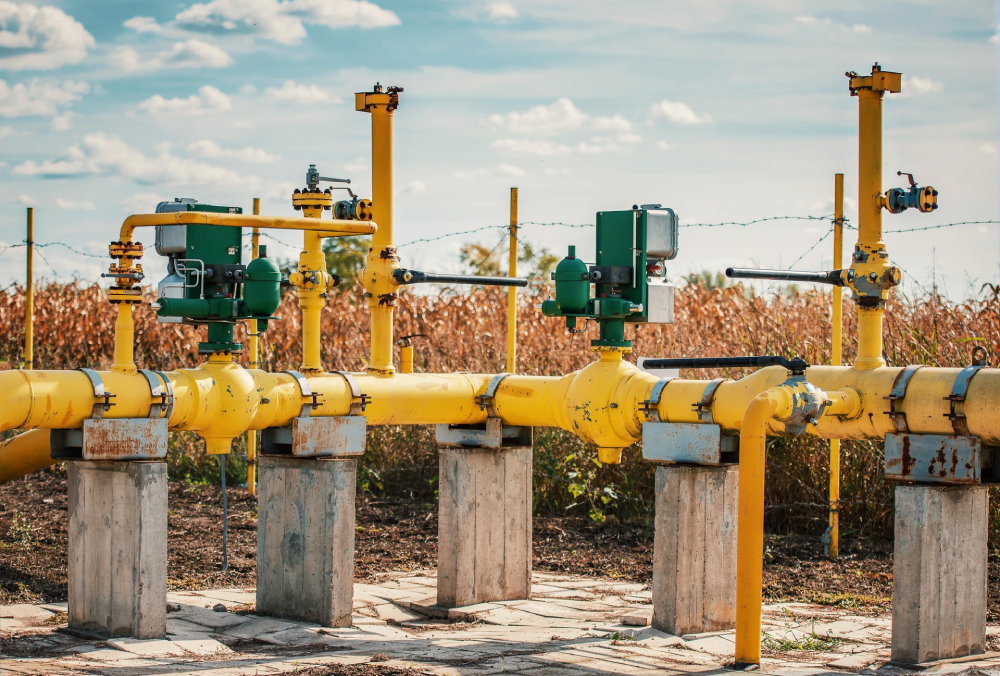
img-of-above-ground natural-gas-transmission-and-regulation-station

Always On, Even Off-Grid: A Gas Utility's Connectivity Story

When a gas utility needed highly, reliable communications across remote field sites, INS and Semtech buil the fix: AirLink routers with low enough power draw to run reliably on solar without oversized power infrastructure. The same approach is now the utility's path from 4G to 5G RedCap, with no hardware swap required.
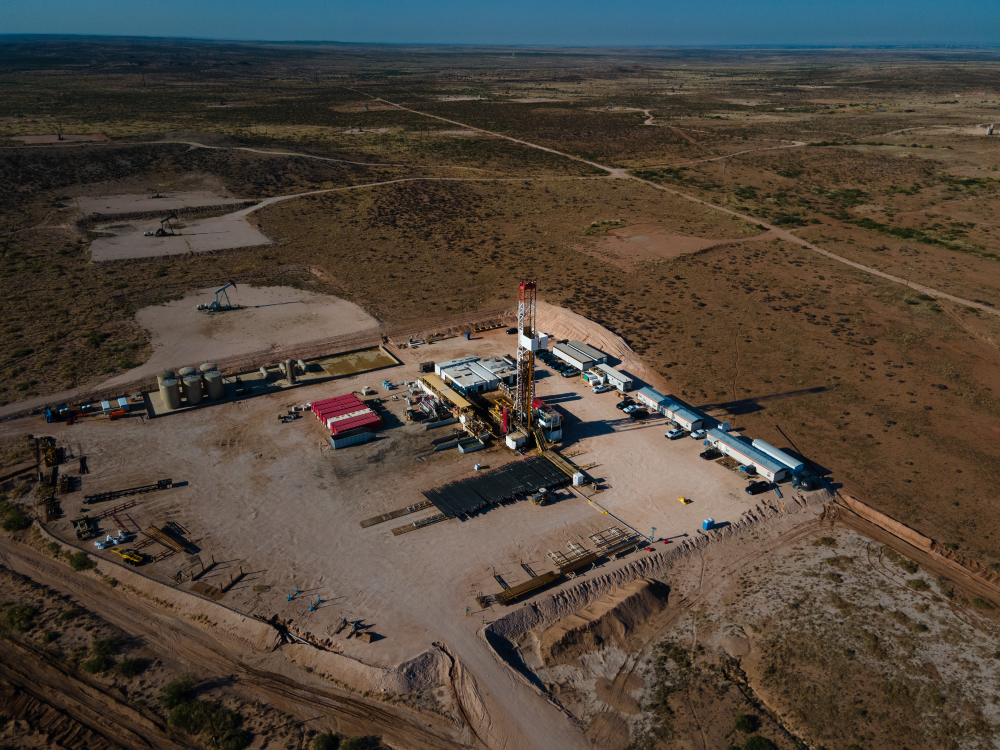
img-of-land oil-and-gas-drilling-rig

When Radio Networks Run Out of Room: An INS Customer's Path to LTE

An aging wireless radio network had hit its ceiling — high maintenance costs, limited bandwidth, no room to grow across thousands of remote endpoints. INS and Semtech built the migration plan to LTE using the Semtech RV55, chosen for its low power draw and on-premise device management across 2,000+ endpoints, with a fully-kitted deployment.

What About Security?

Security shouldn’t be a feature bolted onto a network after it's built — it's a property of how the network is designed from the start. When you partner with INS, segmentation, access control, and hardened endpoints are part of the same design process that gets your connectivity working in the first place.

FAQs

Do You Work With Our Existing Integrator, or Replace Them?

Both, depending on what the site needs. Most of the customers we work with already have an integrator relationship, and our engineering work is built to slot into that. Where there's no existing integrator in place, INS can serve as the primary point of contact directly.

Can You Handle the Carrier Side, or Just the Hardware?

Both. INS can pair Semtech hardware with connectivity through Solve Networks, so you're not managing a separate carrier relationship on top of the equipment relationship.

What Does the Design Phase Actually Involve?

A site survey and RF assessment of your actual environment, followed by a bill of materials matched to what that survey finds.

Do You Support Sites Already Running Another Manufacturer’s Equipment?

Yes. Most of the sites we design for have existing infrastructure already in place; the design phase accounts for what's already there rather than assuming a clean slate.

What Happens After Deployment?

Provisioning, staging, and training are part of the delivery and lifecycle support continues after install day.